
Choosing the Perfect Packaging Solution!
Introduction
In the world of consumer products, packaging plays a vital role in product presentation, convenience, and functionality. Two popular packaging options that have gained immense popularity in recent years are stick packs and sachets. These compact and versatile packaging solutions offer unique advantages to both manufacturers and consumers. In this blog, we’ll explore the differences between stick packs and sachets, their benefits, and their diverse applications.
What Are Stick Packs and Sachets?
Before diving into their differences and advantages, let’s define stick packs and sachets:
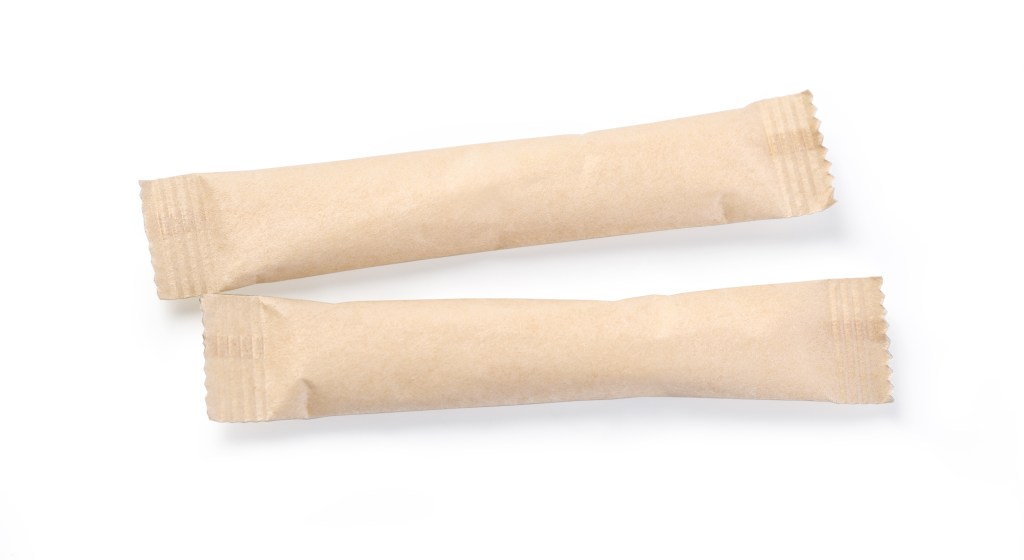
- Stick Packs: Stick packs are elongated, slim packets that typically contain powdered or granulated products. They are sealed at the top and bottom, ensuring product freshness and preventing spillage. Stick packs are known for their convenience, ease of use, and portability.
- Sachets: Sachets are small, flat packets that can hold various forms of products, such as powders, liquids, gels, or solids. They are sealed on all sides and can be easily torn open to access the contents. Sachets are versatile and adaptable for a wide range of products.
Differences Between Stick Packs and Sachets
While stick packs and sachets serve similar purposes, they have distinct differences:
- Shape and Size: Stick packs are long and narrow, resembling a small straw. Sachets, on the other hand, come in various sizes and shapes, including rectangular, square, or custom shapes to accommodate different products and quantities.
- Product Types: Stick packs are primarily used for single-serve powdered or granulated products like instant coffee, energy drinks, or nutritional supplements. Sachets, on the other hand, can hold a broader range of products, including liquids, gels, creams, condiments, and more.
- Portability: Stick packs are incredibly portable due to their slender design, making them perfect for on-the-go consumption. Sachets, while also portable, may be less convenient for certain products that require more careful handling.
- Customization: Sachets offer greater flexibility in terms of size and shape, making them ideal for branding and marketing purposes. Stick packs, while customizable to some extent, are more limited in their design options.
Benefits of Stick Packs
- Convenience: Stick packs are designed for single servings, making them incredibly convenient for consumers who need to grab and go. They are easy to tear open and pour, eliminating the need for measuring.
- Portion Control: Stick packs provide precise portion control, ensuring that consumers get the right amount of product every time. This is particularly important for dietary supplements and medications.
- Reduced Waste: Since stick packs are pre-measured, there is less risk of overusing or wasting the product. This can lead to cost savings for both consumers and manufacturers.
- Brand Visibility: Stick packs offer a compact canvas for branding and marketing, allowing manufacturers to showcase their logos and product information effectively.
Benefits of Sachets
- Versatility: Sachets can hold a wide range of products, including liquids, creams, and powders, making them suitable for various industries, from food and beverage to cosmetics and pharmaceuticals.
- Customization: Sachets can be customized in terms of size, shape, and graphics, providing manufacturers with ample opportunities to promote their brand and product.
- Cost-Effective: Sachets are often a cost-effective packaging solution, especially for products with smaller quantities or samples.
- Freshness: Sachets are sealed on all sides, ensuring product freshness and preventing contamination or leakage.
Applications of Stick Packs and Sachets
Both stick packs and sachets have diverse applications across industries:
Stick Packs:
- Food and Beverage: Instant coffee, drink mixes, sweeteners, and protein powders.
- Pharmaceuticals: Single-dose medication and dietary supplements.
- Nutrition: Pre-workout supplements and energy gels.
Sachets:
- Cosmetics: Sample-sized skincare products and travel-sized toiletries.
- Food: Condiments, sauces, and flavorings.
- Pharmaceuticals: Creams, ointments, and liquid medications.
- Industrial: Cleaning products and chemicals.
In the world of packaging, stick packs and sachets have carved out their niches, offering unique benefits to manufacturers and consumers alike. Stick packs excel in convenience and portion control for single-serve products, while sachets provide versatility and customization options for a broader range of contents. The choice between stick packs and sachets ultimately depends on the nature of the product, branding goals, and consumer preferences. As packaging technology continues to evolve, both options will remain essential tools in the packaging arsenal, serving a variety of industries and consumer needs.
Bottle and Jar Filling Machines with Labeling and Printing Systems
Introduction
In modern manufacturing, the efficiency and precision of production processes are critical. Bottle and jar filling machines, in combination with labeling and printing systems, have transformed the way businesses handle liquid and semi-liquid products. In this article, we’ll explore the key benefits and functionalities of these essential pieces of equipment, highlighting their role in streamlining production.
Bottle Filling Machines: Precision in Liquid Packaging
Bottle filling machines are the backbone of the beverage and pharmaceutical industries. Here’s why they’re indispensable:
Accurate Volume Control: These machines ensure precise liquid quantities in every bottle, eliminating human error.
Speed and Efficiency: They operate at high speeds, significantly reducing production time.
Versatility: Bottle filling machines handle a wide range of liquids, making them adaptable across industries.
Hygiene: Modern designs prioritize easy cleaning to meet industry standards.
Jar Filling Machines: Precision in Semi-Liquid Packaging
Jar filling machines excel in packaging semi-liquid and viscous substances, offering similar advantages:
Consistency: They maintain product consistency by dispensing the same quantity into each container.
Speed: Rapid filling speeds enhance production efficiency without compromising precision.
Versatility: Jar filling machines accommodate various products, from cosmetics to food and pharmaceuticals.
Cleanliness: Easy-to-clean components reduce the risk of contamination.
Labeling Systems: Professional Presentation
Labeling systems add a professional touch to products:
Consistency: Labels are applied with precision, ensuring uniform product presentation.
Efficiency: High-speed labeling machines reduce labor costs and time.
Customization: Labels can include product information, branding, and regulatory compliance.
Versatility: These systems handle various label types for diverse packaging needs.
Printing Systems: Essential Information and Branding
Printing systems are essential for adding vital information and branding:
Batch Coding: They add batch numbers and expiration dates, ensuring traceability and compliance.
Branding: Custom logos and graphics enhance product visibility and marketability.
Speed: High-speed printing systems eliminate bottlenecks in modern production lines.
Durability: Printed information remains legible despite handling and storage conditions.
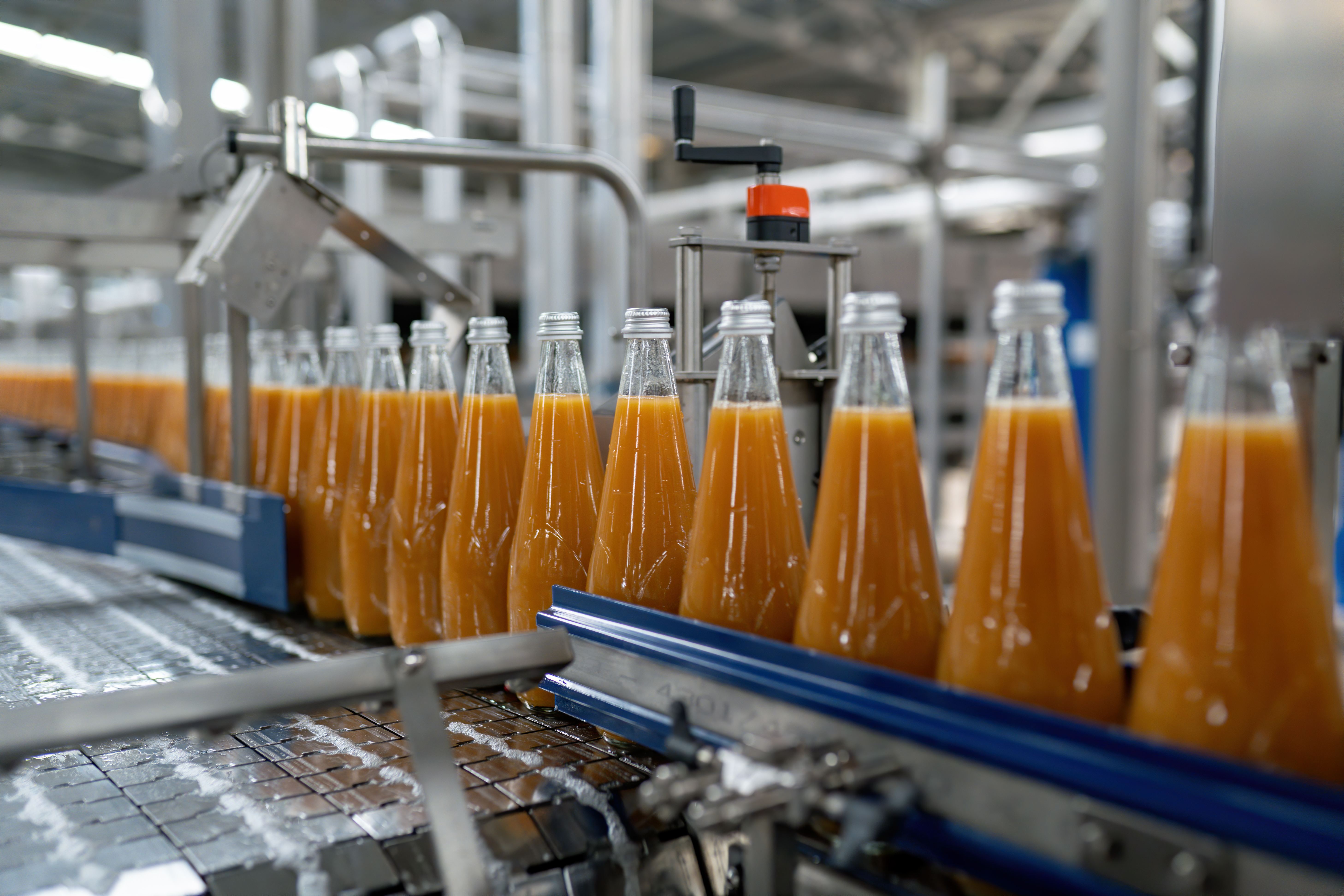
Bottle and jar filling machines, complemented by labeling and printing systems, are pivotal in modern packaging. They enhance precision, efficiency, and consistency while ensuring compliance with regulations and product branding. As manufacturing evolves, integrating these technologies remains crucial for businesses seeking a competitive edge in today’s market.
 DIDAMAK